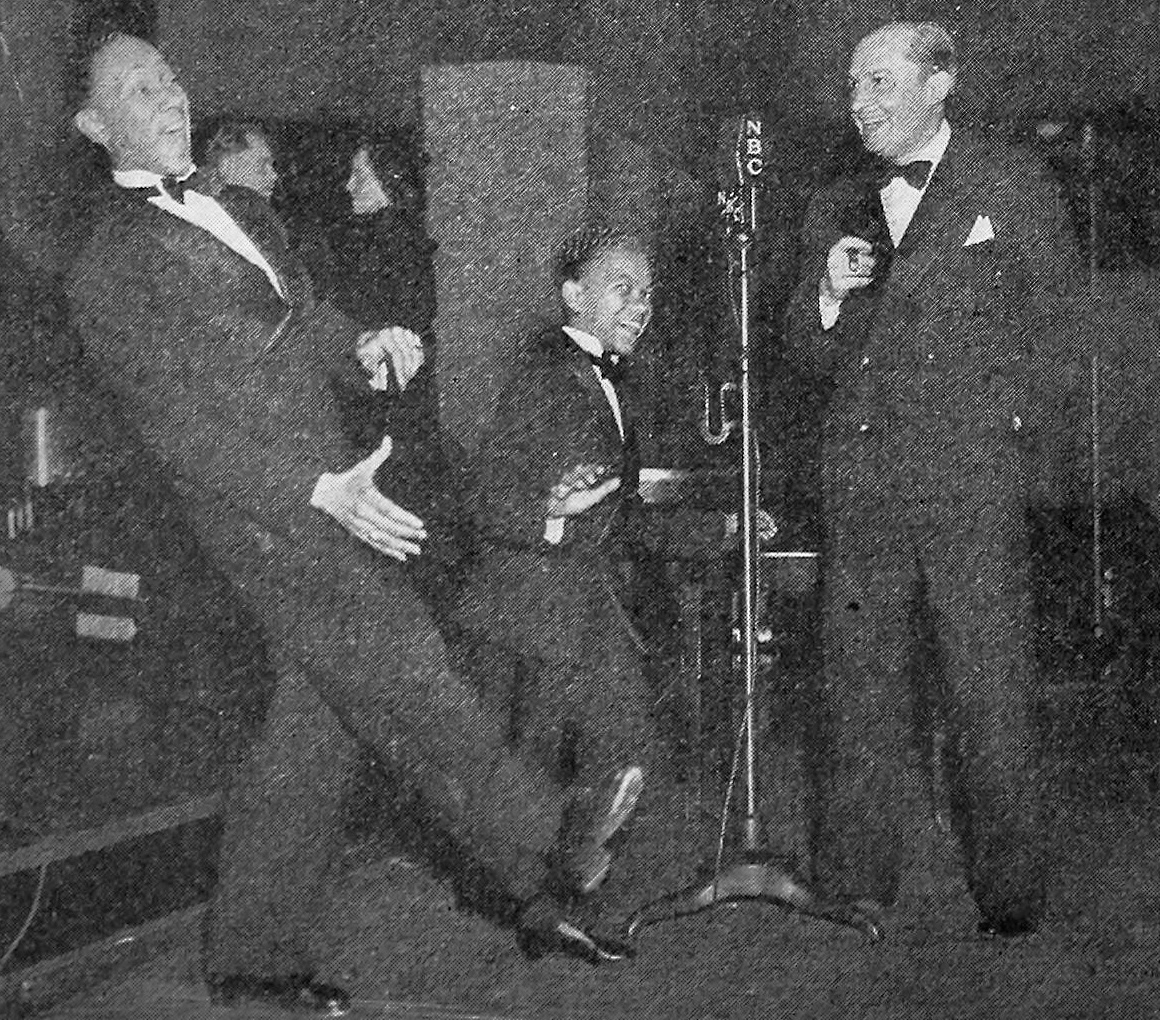
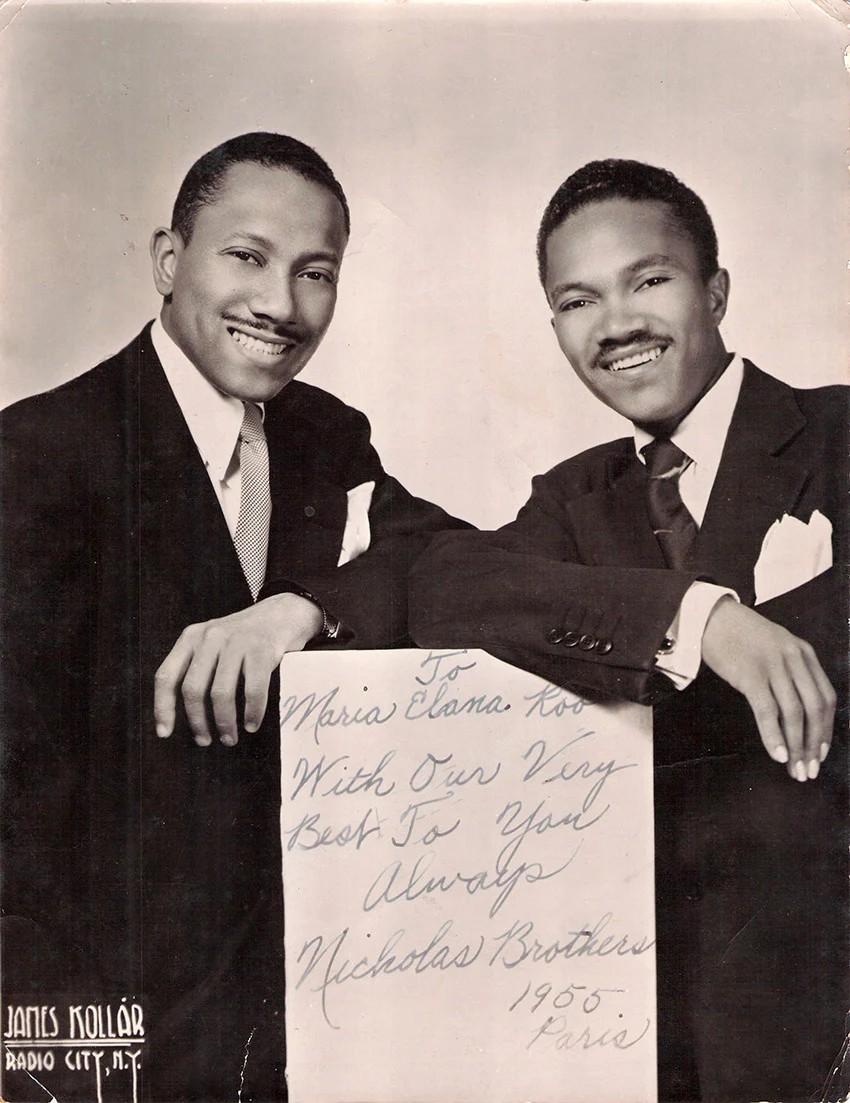
Nicholas Brothers
Circus king, art collector, and developer of Sarasota.

via Wikipedia: John Ringling · see source
John Nicholas Ringling (May 31, 1866 – December 2, 1936) was an American entrepreneur who is the best known of the seven Ringling brothers, five of whom merged the Barnum & Bailey Circus with their own Ringling Bros. World's Greatest Shows to create a virtual monopoly of traveling circuses and helped shape the modern circus. In addition to owning and managing many of the largest circuses in the United States, he was also a rancher, a real estate developer and art collector. He was inducted into the Florida Artists Hall of Fame in 1987.
- born
- Fayard: August 28, 1914, Mobile, Alabama; Harold: March 17, 1921, Durham, North Carolina
Verified Timeline
Lore & Background
John Ringling was born in McGregor, Iowa, the fifth son in a family of seven sons and a daughter born to a French mother, Marie Salomé Juliar, and German father, August Ringling (a farmer and harness maker). The original family name was 'Rüngeling'. Five of those sons worked together to build a circus empire. The Ringlings started their first show in 1870 as 'The Ringling Bros. United Monster Shows, Great Double Circus, Royal European Menagerie, Museum, Caravan, and Congress of Trained Animals', charging a penny for admission. By 1889, the circus was large enough to travel on railroad cars. John took the advance position, traveling ahead and booking the appearances, while Charles was the operating manager. John declared, 'We divided the work; but stood together.' In 1905, John married Mable Burton. In 1907, the brothers bought the Barnum & Bailey circus for $400,000 from the estate of James Anthony Bailey and ran the two circuses as separate entities until the end of the 1918 season.
Reader's Guide
After purchasing Barnum & Bailey's Greatest Show on Earth in 1907, the Ringling brothers were recognized as the 'Circus Kings' in the United States, controlling their own show, Barnum & Bailey, and the Adam Forepaugh and Sells Brothers Circus. Manpower shortages, railroad restrictions, and the 1918 flu pandemic led to the merger of the two circuses at the end of the 1918 season. On October 8, 1918, the Ringling Bros. season concluded in Waycross, Georgia, and the circus trains were routed to Bridgeport, Connecticut. On March 29, 1919, the Ringling Bros. and Barnum & Bailey Circus debuted at Madison Square Garden. After Alf T. Ringling's death in 1919, John and Charles moved the Winter Quarters to Sarasota, Florida, in 1927. Charles died in 1926 before the move was complete, leaving John as the last Ringling brother. In 1929, John Ringling bought the American Circus Corporation for $1.7 million, acquiring Sells-Floto, Hagenbeck-Wallace, John Robinson, Sparks, Buffalo Bill's Wild West Show, and Al G. Barnes Circus, owning all major traveling circuses in America.
Did You Know?
- John Ringling was born in McGregor, Iowa, the fifth son in a family of seven sons and a daughter.
- The Ringling brothers' first show in 1870 charged a penny for admission.
- John Ringling bought the American Circus Corporation for $1.7 million in 1929, owning all major traveling circuses in America.
- John Ringling built a 20-room manor called Gray Crag in Alpine, New Jersey, which was demolished in November 1935.
- John Ringling was inducted into the Florida Artists Hall of Fame in 1987.
From Iowa Farmland to the Circus Throne
John Ringling entered the world in 1866 in McGregor, Iowa, as the fifth of seven sons born to a French mother, Marie Salomé Juliar, and a German father, August Ringling, who worked as a farmer and harness maker. The family's original surname was the Germanic 'Rüngeling.' By 1870 the brothers had mounted their first traveling show, an elaborate enterprise billed as a combined monster show, double circus, royal menagerie, museum, caravan, and congress of trained animals, with admission set at a single penny. The operation grew steadily over the following decades, rebranding as a concert company by 1882 and reaching a scale by 1889 that allowed it to ride railroad cars instead of animal-drawn wagons. John's particular role was that of advance man: he traveled ahead of the troupe to secure bookings and arrange appearances, while his brother Charles handled the day-to-day management of the show. John described their partnership simply as dividing the labor while standing united.
Forging a Monopoly on the American Big Top
The pivotal moment in the brothers' rise came in 1907, when they purchased the Barnum & Bailey circus for four hundred thousand dollars from the estate of James Anthony Bailey. The two shows initially operated independently, but a cascade of pressures made that arrangement unsustainable. Brothers Otto, Al, and Henry died between 1911 and 1918, thinning the management pool. World War I compounded the difficulty with manpower shortages, railroad restrictions, and the 1918 influenza pandemic. The Ringling Bros. season closed in Waycross, Georgia, on October 8, 1918, and the trains were rerouted to Bridgeport, Connecticut, where the two shows were folded into one during the winter. The unified Ringling Bros. and Barnum & Bailey Circus opened at Madison Square Garden on March 29, 1919. By 1929, Ringling had further acquired the American Circus Corporation for $1.7 million, absorbing Sells-Floto, Hagenbeck-Wallace, and several other major outfits, leaving him owner of virtually every significant traveling circus in the nation.
Sarasota, Masterpieces, and the Life Beyond the Ring
Starting in 1909, John and his wife Mable, whom he had married in 1905, began spending their winters on Florida's Gulf Coast. They acquired bay front property in Sarasota and commissioned a thirty-room mansion modeled on Venetian Gothic palaces, designed by New York architect Dwight James Baum and finished in 1926. The home, named Cà d'Zan, meaning 'The House of John' in Venetian, later anchored a museum built to house his art collection. His constant travels to Europe in search of fresh circus acts also led him to assemble a collection of old masterpieces and Baroque works, including four tapestry cartoons by Peter Paul Rubens. In New Jersey he built Gray Crag, a twenty-room manor perched on the Palisades above the Hudson River, where he would ferry acrobats and animals across from Yonkers for private parties. John and Charles are widely credited as pioneers in Sarasota's development, blending real estate speculation with the circus winter quarters as a tourist engine. John was inducted into the Florida Artists Hall of Fame in 1987.
The Last Ringling Brother and the Long Decline
The man who had once owned more circuses than any other person on earth and whose fortune was once estimated at fifty million dollars found himself in freefall during the 1930s. The Great Depression crippled his finances, and a 1929 loan arrangement sealed his troubles: at a prize fight he had met William M. Greve, president of New York Investors, Inc., who agreed to lend him $1.7 million against half his circus stocks. The note was subsequently sold to a subsidiary that entered bankruptcy. In 1933, ill and aging, Ringling hobbled into a Federal Court in Brooklyn to testify about the very loan that had brought him to ruin. His New Jersey estate, Gray Crag, was lost and demolished in November 1935. His last surviving brother, Charles, had died in 1926 before the Sarasota relocation was finished, leaving John as the final Ringling brother. He passed away on December 2, 1936.
Gallery
More in Circus & Performance Art 1-21
Spotted an error? Know more?
This is a living reference — every entry is fact-audited, and reader corrections feed straight into our audit queue. Suggest an edit · See this site's audit record