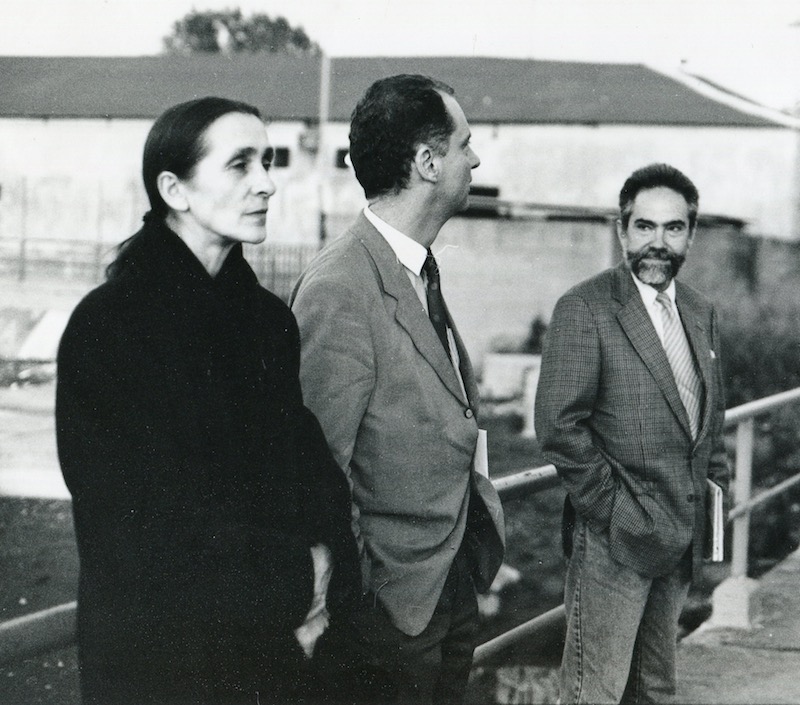
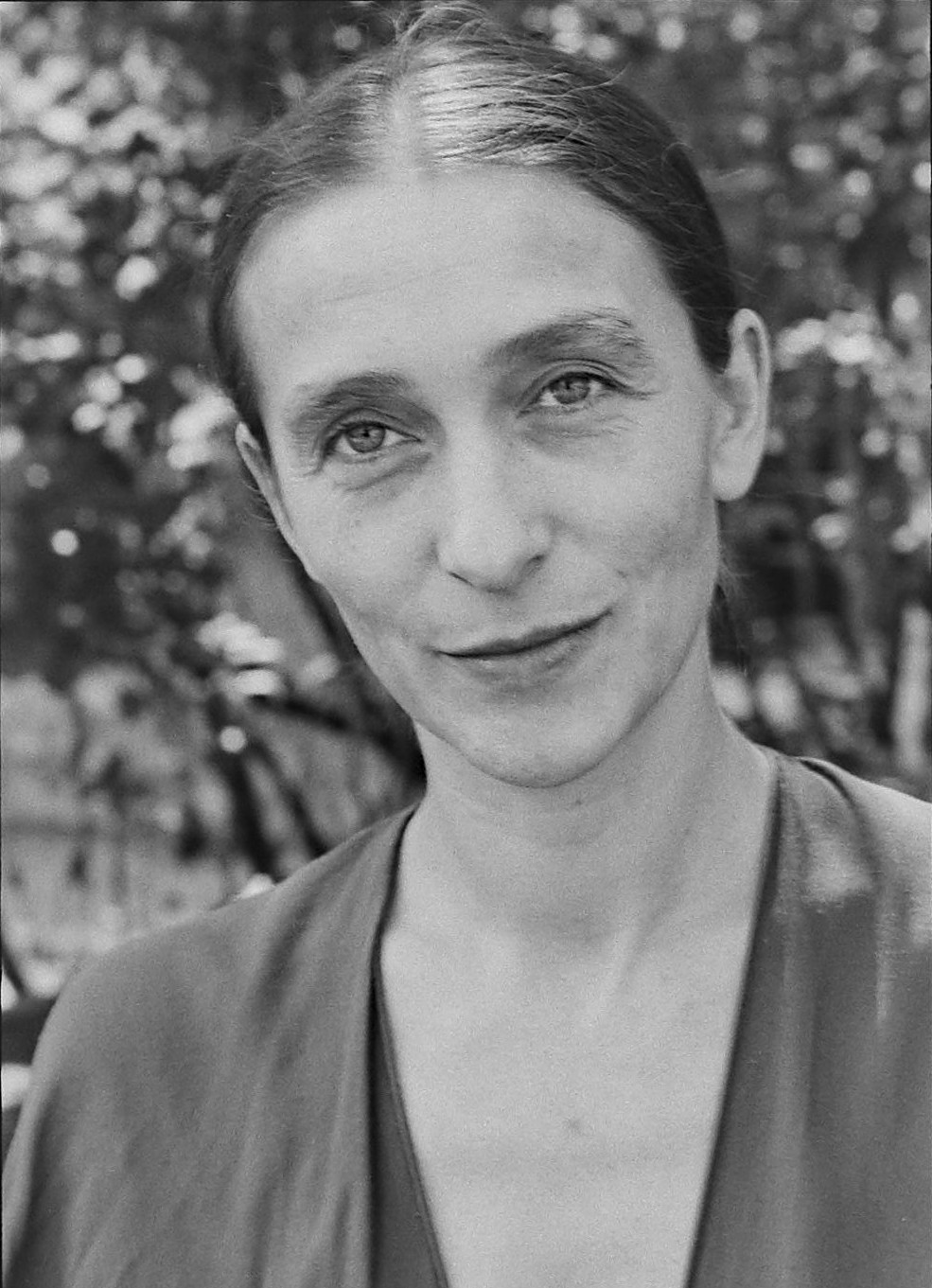
Pina Bausch
German choreographer who shaped neo-expressionist Tanztheater.

via Wikipedia: Gandini Juggling · see source
She created the company Tanztheater Wuppertal, which performs internationally, and her work influenced modern dance from the 1970s forward.
- born
- 27 July 1940, Solingen, Germany
- field
- Dance and choreography
- nationality
- German
- known_for
- Tanztheater, founding Tanztheater Wuppertal
Lore & Background
Pina Bausch was born in Solingen, Germany, to August and Anita Bausch, who owned a restaurant with guest rooms. She began performing there at a young age, an experience that later influenced her choreography of Café Müller. In 1955 she was accepted into Kurt Jooss's Folkwangschule in Essen, and after graduating in 1959 she studied at the Juilliard School in New York City with teachers including Antony Tudor, José Limón, Alfredo Corvino, and Paul Taylor. She performed with Tudor at the Metropolitan Opera Ballet Company and with Paul Taylor at New American Ballet, and collaborated with the Paul Sanasardo and Donya Feuer Dance Company. Returning to Essen in 1962, Bausch joined Jooss's Folkwang-Ballett as a soloist and assistant. She choreographed her first piece, Fragmente, in 1968, and succeeded Jooss as artistic director in 1969. Her 1968 piece Im Wind der Zeit won first place for choreography at the International Summer Academy of Dance in Cologne in 1969. In 1973 she was hired by Arno Wüstenhöfer to run the Opernhaus Wuppertal ballet, renamed it Tanztheater Wuppertal, and faced substantial initial criticism from audiences who found her works violent. Her best-known works include Café Müller (1978) and Frühlingsopfer (The Rite of Spring) (1975).
Reader's Guide
Pina Bausch's significance lies in her development of Tanztheater, a neo-expressionist dance tradition that blended dance movement, prominent sound design, and involved stage sets. She engaged dancers in the development of pieces and often explored themes of trauma, particularly from relationships. Her work incorporated repetition as a structuring device, and her stage designs—by Rolf Borzik and later Peter Pabst—altered the stage floor with natural elements like soil in Rite of Spring or carnations in Nelken.
Did You Know?
- Bausch was born in a restaurant owned by her parents and performed for guests there, influencing her choreography of Café Müller.
- She studied at the Juilliard School in New York City with teachers including Antony Tudor, José Limón, and Paul Taylor.
- Her piece Frühlingsopfer (The Rite of Spring) required the stage to be completely covered with soil.
- She died two days before the scheduled start of filming for the 3D documentary Pina by Wim Wenders.
Gallery


More in Circus & Performance Art 1-21
Spotted an error? Know more?
This is a living reference — every entry is fact-audited, and reader corrections feed straight into our audit queue. Suggest an edit · See this site's audit record