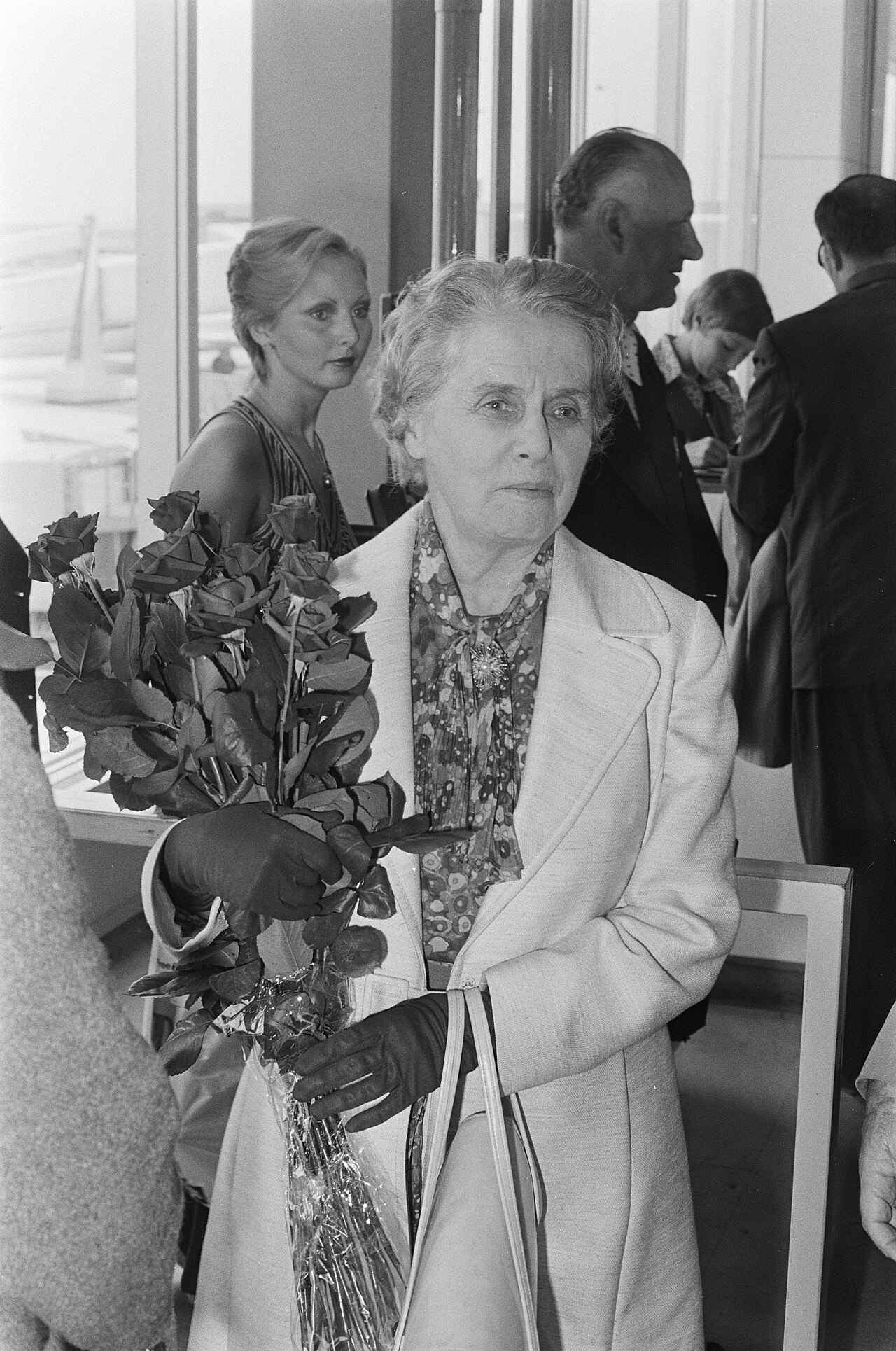
Ninette de Valois
Founder of The Royal Ballet and godmother of English ballet.

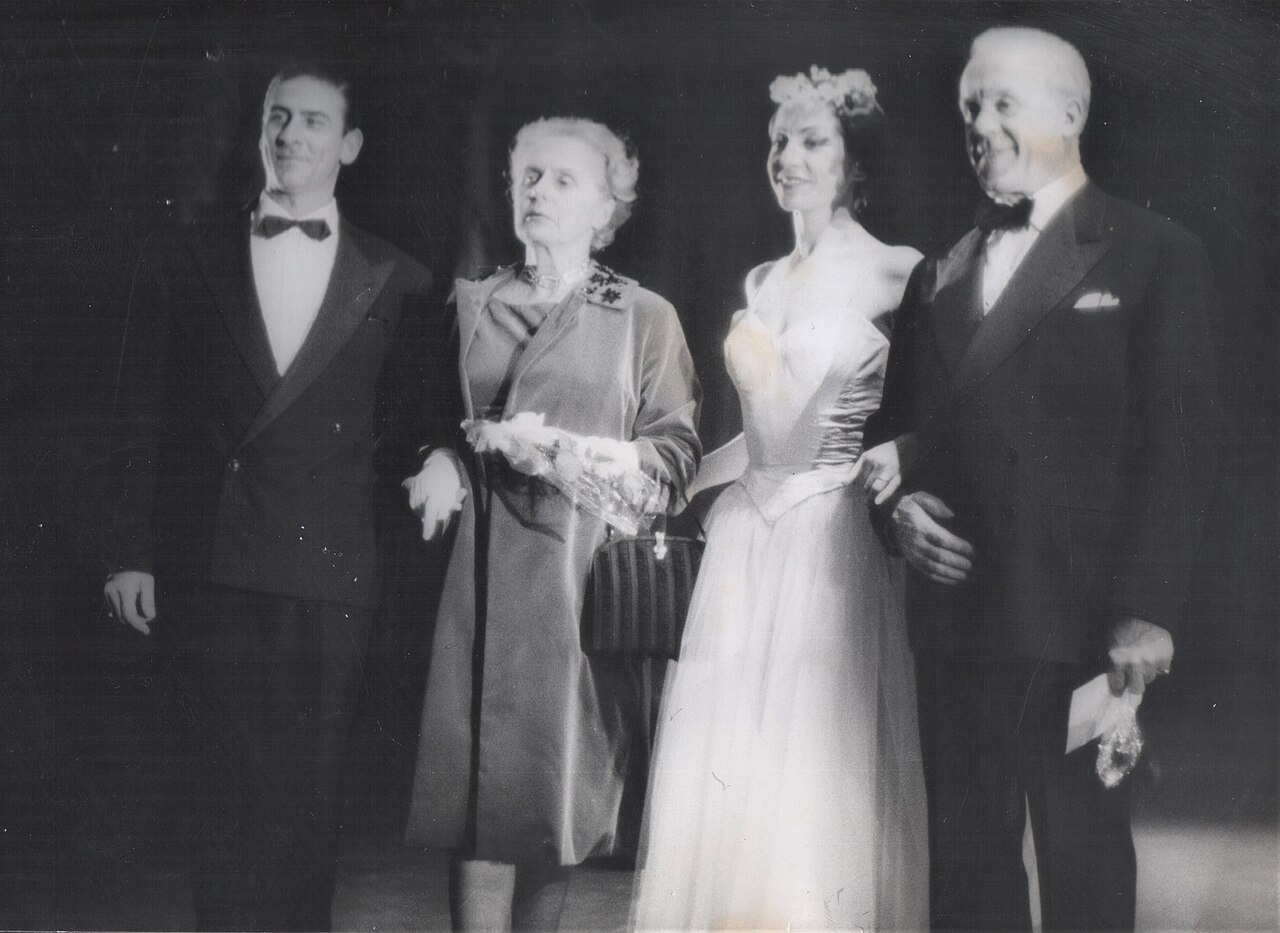
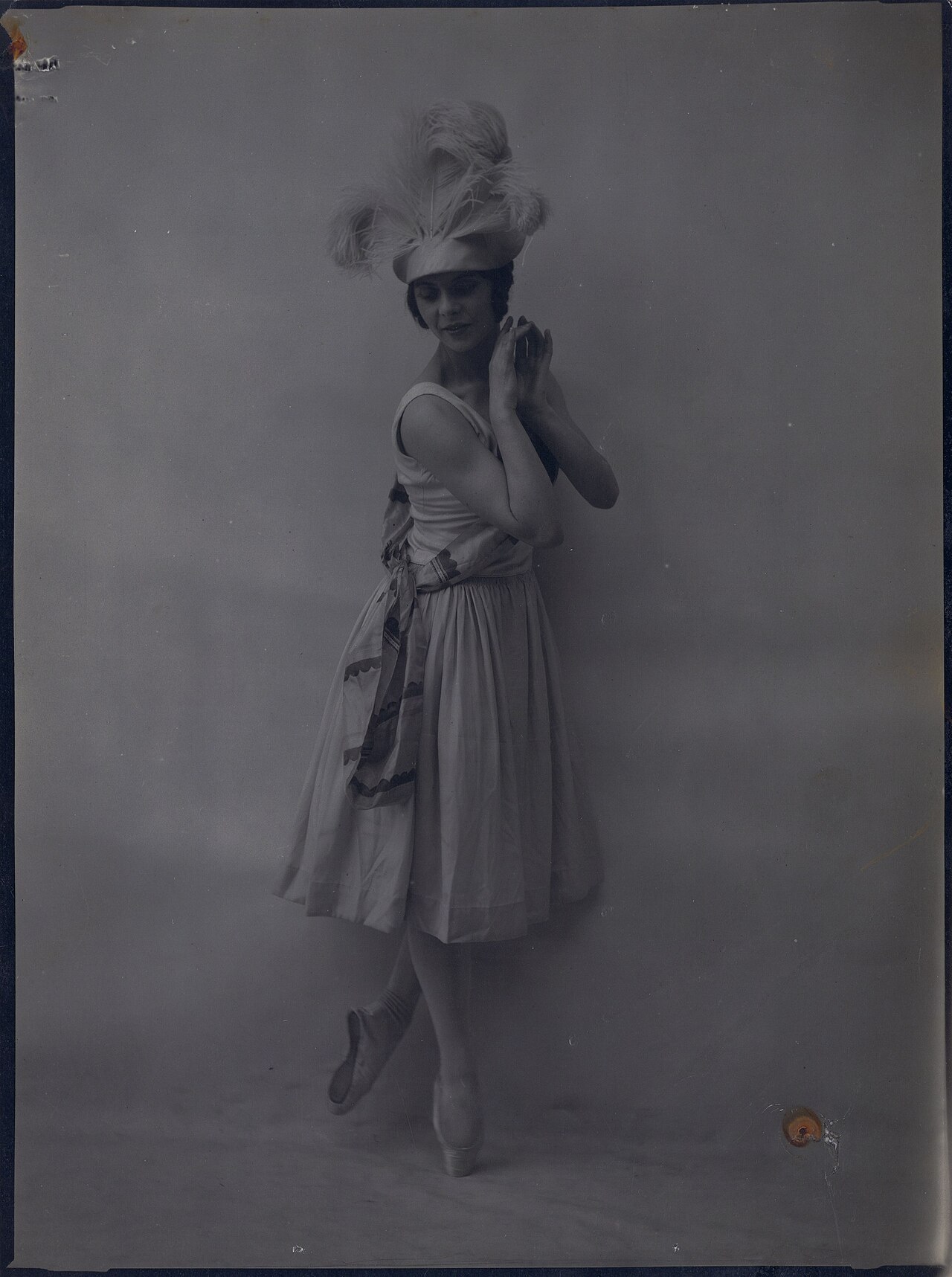
Detaille, Georges (1875-1955). Photographe présumé · Public domain
She danced professionally with Serge Diaghilev's Ballets Russes and later established The Royal Ballet, one of the foremost ballet companies of the 20th century, as well as the Royal Ballet School and the touring company that became the Birmingham Royal Ballet. She is widely regarded as one of the most influential figures in the history of ballet and as the "godmother" of English and Irish ballet.
- field
- Ballet
- nationality
- Irish-born British
- known_for
- Founding The Royal Ballet, Royal Ballet School, and Birmingham Royal Ballet
Lore & Background
At age thirteen she trained at the Lila Field Academy for Children, changed her name to Ninette de Valois, and made her professional debut as a principal dancer in pantomime at the Lyceum Theatre. In 1919 she became principal dancer of the Beecham Opera at the Royal Opera House, studying with Edouard Espinosa, Enrico Cecchetti, and Nicholas Legat. She mentored Alicia Markova and later said she learned how to run a ballet company from Diaghilev. The London school moved to Sadler's Wells Theatre in 1931, becoming the Sadler's Wells Ballet School, and the Vic-Wells Ballet company was formed.
Reader's Guide
De Valois's significance lies in her creation of a national British ballet tradition. From a small school and company, she built The Royal Ballet, which became one of the world's leading ballet institutions. She ensured a constant supply of talent through the Royal Ballet School and expanded ballet internationally, notably founding the first ballet school in Turkey in 1947, which led to the Turkish State Ballet. Her choreography, including Job, The Rake's Progress, and Checkmate, established a British repertory. By engaging Frederick Ashton and Constant Lambert, she fostered a distinctive style. Her influence extended to Ireland through the Abbey Theatre School of Ballet and support for the Cork Ballet Company and Irish National Ballet. Her legacy is that of a foundational figure who shaped classical ballet in Britain and beyond.
Did You Know?
- She changed her name from Edris Stannus to Ninette de Valois at age thirteen.
- She was a maternal great-granddaughter of diarist Elizabeth Grant Smith.
- She choreographed the first full-length Turkish ballet, Çeşmebaşı, in 1965, which was produced by the Ankara State Ballet.
Gallery
More in Circus & Performance Art 1-21
Spotted an error? Know more?
This is a living reference — every entry is fact-audited, and reader corrections feed straight into our audit queue. Suggest an edit · See this site's audit record